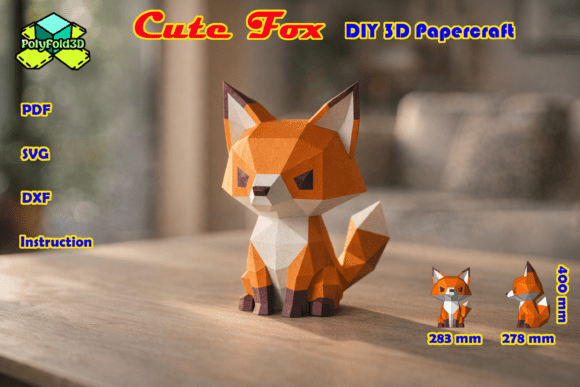
Cute Fox DIY 3D Papercraft: A Brand Designer’s Review
When I first opened the files for Cute Fox DIY 3D Papercraft, my immediate reaction was not just about the craft itself, but about its potential as a graphic design asset for broader marketing campaigns. As a brand designer and content marketer, I am constantly scanning for visual elements that can bridge the gap between handmade charm and professional digital execution. This 3D SVG model of an animal character is more than just a paper toy; it is a versatile piece of modern design that speaks directly to audiences seeking authenticity, playfulness, and tactile connection in a digital-first world.
The low-poly geometric aesthetic creates a specific mood—one that is clean, structured, yet undeniably warm. For small business owners and creative entrepreneurs, this balance is crucial. It avoids the clutter of overly detailed illustrations while maintaining enough personality to stand out in crowded social media feeds. In this review, I will break down how this design bundle can be integrated into real-world marketing workflows, from social media graphics to packaging design, ensuring your brand identity remains consistent and compelling.
First Impressions and Emotional Tone
The first thing any brand designer notices is the emotional resonance of a visual element. The Cute Fox model features clean lines and balanced proportions, which immediately signals quality. Unlike generic clipart that often feels cheap or overused, this PNG design option (once rendered) carries the weight of intentional artistry. It evokes curiosity and delight, emotions that are highly effective for lifestyle content, children’s products, and handmade goods.
From a visual hierarchy perspective, the fox acts as a strong focal point. Its geometric nature allows it to sit comfortably alongside typography without competing for attention, provided the layout is handled correctly. This makes it suitable for everything from editorial design pieces to lead magnets. The "cute" factor does not undermine professionalism; rather, it humanizes the brand, fostering an audience trust that is essential for conversion in competitive markets like Etsy, Shopify, or coaching services.
Integrating the Asset into Real Marketing Projects
Let’s look at a practical scenario. Imagine you are launching a new line of organic baby products or perhaps promoting a seasonal workshop on mindfulness. You need visuals that feel approachable but trustworthy. Here is how Cute Fox DIY 3D Papercraft fits into that workflow:
- Social Media Graphics: Use the fox as a hero image for Instagram posts or Pinterest pins. Its geometric shape translates well to square formats, making it ideal for grid consistency. Pair it with soft pastel backgrounds to enhance the creative design appeal.
- Packaging Design: If you sell physical products, this asset can be printed as a die-cut insert or a sticker. The low-poly style looks excellent when printed in spot colors, adding a premium touch to unboxing experiences.
- Digital Ads: For Facebook ads or Google Display campaigns, the clear silhouette of the fox ensures recognition even at smaller sizes. It grabs attention without requiring complex animations.
- Email Banners: Incorporate the fox into header images to maintain brand continuity across your email marketing strategy. It adds a personal touch that can improve open rates and click-through rates.
This versatility confirms why this is such a valuable commercial design tool. It is not limited to one platform but serves as a cohesive element across your entire content marketing ecosystem.
Supporting Core Marketing Goals
Why choose this specific asset over others? The answer lies in its ability to support key branding objectives:
- Stronger First Impression: The unique geometric style differentiates your brand from competitors using standard stock photos.
- Clearer Visual Hierarchy: The structured shapes guide the eye naturally, allowing your message to remain the primary focus while the fox provides context and charm.
- Better Product Presentation: When used in mockups, the fox can act as a prop or mascot, making your products appear more curated and thoughtful.
- Improved Audience Trust: Consistent use of high-quality, custom-style assets signals that you care about details, which builds credibility with your audience.
- More Memorable Campaign Visuals: A distinctive mascot or icon becomes associated with your brand over time, aiding in long-term recognition.
Whether you are creating a Canva template for your team or designing a digital product like a printable planner, this asset adds value by elevating the perceived quality of your work.
Optimal Use Cases for the Fox Model
To maximize impact, consider where this SVG design performs best. It shines in:
- Hero Graphics: Large-scale headers on websites or landing pages where the fox can be displayed in full detail.
- Product Launch Visuals: Teaser images that build anticipation through playful imagery.
- Branded Templates: Elements within presentation decks or report covers to add a splash of color and personality.
- Packaging Accents: Subtle decorative elements that reinforce brand identity without overwhelming the product information.
- Decorative Brand Elements: Used as bullet points, dividers, or background textures in blog posts or newsletters.
However, not every application is suitable. Caution is required in certain contexts to maintain professional branding standards.
Where to Exercise Caution
While the fox is charming, it may not fit every brand voice. Avoid using it in:
- Formal Corporate Branding: Financial institutions or legal firms may find the playful tone too casual for their brand identity.
- Dense Information Layouts: Complex infographics may become cluttered if the fox competes with data visualization.
- Small Mobile Graphics: At very small sizes, the geometric details might blur or become indistinct. Always test readability.
- Low-Contrast Backgrounds: Ensure the fox stands out against its background to maintain visibility and impact.
- Text-Heavy Ads: Let the text breathe. If the ad is dominated by copy, the fox should serve as a subtle accent rather than the main feature.
Practical Notes for Brand Designers
Before integrating Cute Fox DIY 3D Papercraft into your campaigns, follow these essential steps to ensure seamless execution:
- Test with Your Color Palette: Adjust the fox’s colors to match your brand guidelines. This ensures visual consistency across all touchpoints.
- Check Black and White Usage: Verify that the design holds up in monochrome, which is important for print materials and faxes.
- Place Inside Real Mockups: Preview the asset in actual campaign layouts, such as website headers or email banners, to assess scale and placement.
- Preview on Mobile Screens: Ensure the asset remains clear and recognizable on smaller devices.
- Compare Against Competitors: Analyze how similar assets are used in your niche to differentiate your approach.
- Font Pairing: Test the fox with various typefaces. It pairs well with serif fonts for elegance, sans serif fonts for modernity, and handwritten fonts for a personal touch. Avoid overly ornate display fonts that may clash with the geometric simplicity.
- Review Spacing and Balance: Pay attention to negative space around the asset to prevent visual crowding.
- Confirm Commercial Licensing: Always verify that you have the right to use the asset in paid campaigns, client work, or business branding to avoid legal issues.
In conclusion, Cute Fox DIY 3D Papercraft is more than just a fun craft project; it is a strategic design asset that can enhance your marketing visuals. By understanding its strengths, limitations, and optimal applications, you can leverage this creative design tool to create engaging, professional, and memorable content that resonates with your audience.