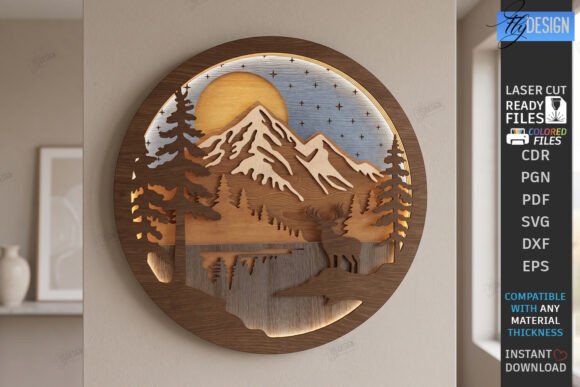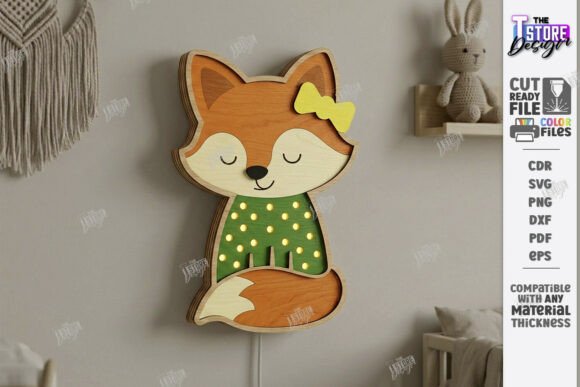
Kids Night Light Laser Cut 3D Animal Wall Decor
When I sit down to evaluate a new graphic design asset for my digital product shop, I am rarely looking at it purely as art. I am looking at it as inventory. Every SVG, PNG, or vector file needs to earn its place in my library by offering versatility, clear commercial appeal, and ease of integration into existing product lines. Recently, I reviewed a set of files described as a "Kids Night Light Laser Cut 3D Animal Shadow Box Lamp Cute Nursery Wall Light Laser Ready Childrens Room Decor Wooden LED Lamp Vector Files Whimsical Forest and Safari Animals Light Glowforge Ready Sha." While the title is a mouthful typical of marketplaces like Etsy, the underlying concept—a whimsical, laser-ready animal shadow box—presented an interesting opportunity for testing.
This review breaks down how this specific digital product fits into a broader strategy for selling on creative marketplaces, print-on-demand platforms, and direct-to-consumer stores. If you are a crafter, designer, or small business owner looking to expand your nursery or home decor collections, here is a practical look at whether these assets deserve your time and storage space.
First Impressions: Mood and Niche Appeal
The visual personality of this asset leans heavily into the playful, rustic, and modern nursery aesthetic. It does not feel overly childish or chaotic; instead, it strikes a balance between cute and sophisticated enough to fit into a high-end wall decor collection. The use of forest and safari animals suggests a target audience that values nature-inspired themes, which remains a consistent bestseller in the parenting niche.
From a branding perspective, this asset feels premium. It is not just a simple sticker; the concept implies depth and layering, which translates well to perceived value. When customers see a design that suggests a three-dimensional effect, they often perceive the final physical product as more valuable than a flat print. This makes it an excellent candidate for sellers who want to move beyond low-ticket items and offer higher-margin goods. The mood is warm, inviting, and safe—exactly what parents look for when decorating a child’s room.
Product Application: From Digital Download to Physical Good
The true power of this commercial design lies in its adaptability. Because the files are laser-ready, they open up two distinct revenue streams: digital downloads for makers and physical products for manufacturers. Here is how I would test this asset across different categories before committing to a full launch.
Laser Cutting and Woodworking Products
For those with access to a Glowforge, laser cutter, or CNC machine, this is a prime asset. You can create actual night lights or shadow boxes. These sell exceptionally well on Etsy and at local craft fairs. The key here is to offer the SUV design files as a digital download alongside the physical item. This allows you to capture both the customer who wants to build it themselves and the one who wants to buy the finished piece. Ensure the cut lines are clean and the layers are clearly labeled for your customers.
Printable Wall Art and Nursery Prints
Even if you do not laser cut, the visual concept works beautifully as a printable design. You can convert the layered animal shapes into high-resolution PNG designs suitable for large format printing. Imagine a multi-panel wall art set where each panel features a different animal silhouette from the collection. This increases the average order value and appeals to buyers looking for cohesive brand identity elements for their children’s rooms.
Apparel and Accessories
While primarily a decor item, the individual animal motifs can be extracted and used for other merchandise. They work well as t-shirt design graphics for eco-conscious families or as patterns for tote bag prints. The whimsical nature of the forest and safari themes also lends itself to baby onesies and burp cloths. However, you must simplify the design for sublimation; the complex layering intended for a shadow box may become muddy when printed on fabric.
Visual Presentation and Mockup Strategy
In the crowded world of creative marketplace listings, your thumbnail is everything. A flat image of a vector file will not convert. To maximize click-through potential, you need to show the asset in context. I recommend creating a series of product mockup previews that demonstrate the 3D effect.
Show the shadow box lamp lit up in a dimly lit nursery. Show the unlit version on a wooden shelf. Show the individual layers spread out to highlight the craftsmanship. This visual storytelling builds customer trust and clarifies exactly what they are getting. If you are selling the digital files, include a mockup of the final wood product so buyers understand the end result. For print-on-demand sellers, use these visuals on listing images to differentiate your shop from competitors selling generic clipart.
Where to Use Carefully: Limitations and Risks
No asset is perfect, and understanding where this design struggles is just as important as knowing where it shines. There are several scenarios where this design bundle should be avoided:
- Tiny Sticker Details: The intricate cutouts required for a shadow box may lose detail when scaled down to a 2-inch sticker. Test the smallest elements carefully to ensure they remain recognizable.
- Crowded Thumbnails: On social media or mobile feeds, complex layered designs can look like a blob. Keep your promotional visuals clean and focused on the main subject.
- Dark Backgrounds: Since the concept relies on light casting shadows, dark backgrounds in your marketing materials can obscure the details. Stick to light, airy, or natural wood tones in your presentation.
- Text-Heavy Templates: This asset is a visual centerpiece, not a background. Avoid placing too much text over the design, as it will clutter the visual hierarchy and reduce readability.
Practical Seller Notes for Launch
Before publishing any listings, follow this checklist to ensure professionalism and minimize returns or disputes:
- Test Real Mockups: Do not rely solely on digital renderings. If possible, create a physical prototype to photograph. Real photos perform better than AI-generated mockups.
- Check Transparency: Verify that all PNG exports have clean transparency. Frayed edges or white halos around the vector paths will make your digital download look unprofessional.
- Inspect SVG Quality: Open the files in Cricut Design Space or Silhouette Studio. Check for unnecessary anchor points or overlapping paths that could cause cutting errors for your customers.
- Font Pairing: If you add typography to your listings or product variations, choose fonts that match the whimsical yet rustic vibe. A clean sans serif font for headers and a handwritten font for accents usually works well with this aesthetic.
- Confirm Licensing: Always read the fine print. Ensure you have a commercial license that permits you to sell physical products made from the files, not just the digital files themselves.
Ultimately, the Kids Night Light Laser Cut 3D Animal asset is a strong addition to a diverse catalog. It bridges the gap between digital crafting and physical creation, offering multiple avenues for monetization. By testing it across various formats—from sublimation design transfers to laser-cut wood projects—you can determine its true potential in your specific niche. Just remember to prioritize quality control and professional presentation, and this asset could become a staple in your small business branding efforts.