Layered Mandala, Cut File, 3D Flower Review
I have spent years reviewing machine embroidery design assets for both personal hobbies and commercial small business ventures. There is a distinct difference between a pretty digital image and a functional file that actually translates well onto fabric. Recently, I came across the Layered Mandala, Cut File, 3D Flower, which markets itself as a vector layout for laser cutting on CNC machines. While the product description emphasizes its utility for Laser Cutting and Wall Decor, I wanted to put it through the wringer from the perspective of an embroidery designer. Could this intricate floral mandala work in a real-world stitching project? The answer is yes, but only with specific adjustments and a clear understanding of its limitations.
The First Impression: Intricacy Meets Structure
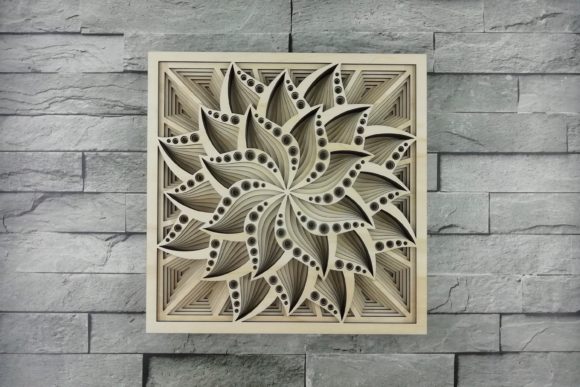
When you first look at the Layered Mandala, Cut File, 3D Flower, the mood it creates is one of sophisticated complexity. Mandalas are naturally balanced, but this particular design pushes into detailed territory. The visual personality suggests a high-end boutique feel rather than a casual craft store item. For a designer looking to create a finished product that commands attention, the layout offers a strong foundation. However, the fact that it is originally designed as a cut file means we must translate those sharp vector lines into stitches.
In my experience, designs intended for laser cutting often lack the "breathing room" required for embroidery thread. The layers might be too tight, risking a muddy appearance when stitched over each other. Yet, the geometric precision of the mandala theme makes it an excellent candidate for satin stitch outlines or fill stitches if the density is managed correctly. It feels like a design that belongs on a structured surface where the fabric can support the weight of the detail without distorting.
A Real-World Scenario: The Custom Boutique Tote
To truly test the viability of this asset, I imagined using the Layered Mandala, Cut File, 3D Flower for a custom embroidered tote bag project for a local artisan market. The goal was to create a unique handmade product that would stand out on a crowded table alongside mass-produced goods. I envisioned a heavy canvas tote with the mandala centered, perhaps using contrasting thread colors to mimic the layered depth of the original vector.
Here is how the process played out in my mind. If I were to use this as a standard tote bag design, the initial challenge would be stabilizing the fabric. A mandala of this complexity requires a sturdy base. Without proper stabilizer, the tension from the dense stitching could cause the bag to pucker, ruining the symmetry that makes the design so appealing. Once stabilized, the satin stitch outlining the petals would need to be crisp. The fill stitch areas inside the flower layers would determine the final texture. If the stitch density is too high, the fabric becomes stiff; if too low, the background shows through, losing the "3D" effect implied by the title.
For a customer buying this bag, the perception of value hinges on clarity. A blurry mandala looks cheap, while a sharp, well-defined one looks professional. The Layered Mandala, Cut File, 3D Flower has the potential to deliver that professional look, provided the embroidery file is digitized with care. The result would be a personalized gift that feels substantial and thoughtful, perfect for a small shop product listing on Etsy.
Where Caution Is Required
While the design is versatile, there are specific scenarios where the Layered Mandala, Cut File, 3D Flower might struggle. Small hoop sizes are the first red flag. If you attempt to stitch this entire mandala in a 4x4 inch hoop, the details will likely collapse into a single blob. You would lose the intricate petals and the layered structure entirely. For such small applications, it is better to isolate a single petal or a section of the mandala rather than attempting the full composition.
Fabric choice is equally critical. This design should not be used on thin, stretchy fabrics like jersey knit or silk charmeuse unless they are heavily hooped and stabilized. The tension of the machine needle pulling the thread through delicate material could distort the shape. Similarly, dark fabrics present a challenge. If the design relies on light threads to show up against a dark background, the contrast might be insufficient for the finer details of the mandala. In these cases, testing on scrap fabric is non-negotiable.
Curved surfaces like caps also require careful consideration. The geometry of a mandala is flat and radial. When placed on the curved front of a hat, the perspective shifts, potentially making the design look distorted or off-center. Unless the design is specifically adapted for curvature, it is best suited for flat items like pillow covers, kitchen towels, or wall hangings.
Impact on Visual Appeal and Brand Consistency
Using a high-quality design like this significantly elevates the perceived value of your finished product. Customers associate intricate patterns with skill and effort. A well-executed embroidery project featuring the Layered Mandala, Cut File, 3D Flower signals to the buyer that the maker cares about detail. This builds trust and encourages repeat business for Etsy sellers and creative entrepreneurs.
The design also offers great flexibility for branding. Whether you are creating a wedding gift, a holiday embroidery piece, or a set of matching aprons, the mandala theme is universally recognizable and aesthetically pleasing. It adds a touch of elegance that generic floral designs often lack. When presented in a printable mockup, the layered nature of the design allows for creative presentation, showcasing the depth even before the physical item is made.
Practical Designer Notes for Success
If you decide to incorporate the Layered Mandala, Cut File, 3D Flower into your workflow, here are essential steps to ensure success:
- Test on Scrap Fabric: Always run a test stitch-out on a piece of the same fabric you plan to use. This reveals issues with thread color contrast and stitch density before you commit to a customer's order.
- Review Hoop Size: Confirm that your machine's hoop size can accommodate the full design without cropping. If necessary, split the design into sections for multi-hoop setups.
- Inspect Small Details: Zoom in on the digital file to ensure no tiny elements are so small they cannot be rendered by thread. Sometimes, what looks good on screen disappears under the needle.
- Check Licensing: Since this is a digital product originally described for Laser Cutting, verify the licensing terms explicitly. Ensure you have the right to use the design for commercial embroidery projects and selling finished goods.
- Mockup Testing: Create black and white mockups to check the balance of the design. This helps visualize the negative space and ensures the pattern flows well.
Ultimately, the Layered Mandala, Cut File, 3D Flower is a powerful asset for designers willing to adapt it. It bridges the gap between digital precision and textile artistry. By respecting the constraints of embroidery and planning your custom apparel or home decor projects carefully, you can turn this vector template into a stunning reality. Whether you are making a baby embroidery item or a large wall decor piece, the key lies in execution. With the right preparation, this design can become a staple in your collection of design assets.