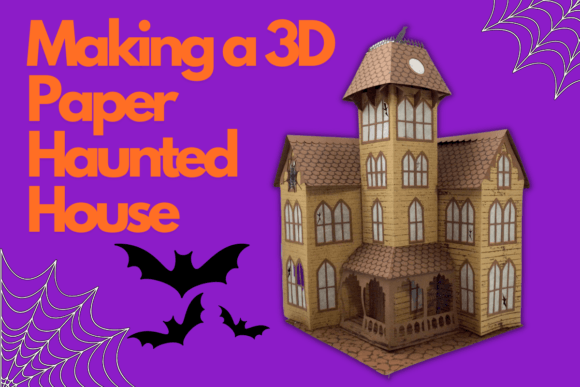
Making a 3D Paper Haunted House: Classes & Freebies for Local Brands
In my years as a brand designer working with everything from artisanal coffee roasters to boutique skincare lines, I have learned that the right graphic design asset can transform a generic product into a memorable experience. Recently, I reviewed a specific project titled Making a 3D Paper Haunted House, which falls under the Freebies and Classes categories on creative marketplaces. While this asset is often associated with seasonal crafts, I wanted to evaluate its potential utility for real local business branding, particularly for small businesses looking to add a touch of whimsy or festive flair to their visual identity.
The first impression of Making a 3D Paper Haunted House is one of playful nostalgia mixed with a structured, handmade aesthetic. The mood it creates is distinctly festive, slightly spooky, yet undeniably friendly. It suggests a brand personality that is approachable, creative, and perhaps a bit quirky. For a local business, this asset does not scream "corporate" or "minimalist luxury"; instead, it whispers "handmade," "community-focused," and "seasonally spirited." It fits best with brands that want to evoke emotion through decoration rather than stark simplicity. Whether you run a bakery selling Halloween-themed treats, a candle shop launching a pumpkin spice line, or a children's clothing boutique, this asset offers a unique visual hook that stands out against the sea of standard packaging.
Integrating the Asset into Real-World Brand Identity
When I consider how to deploy Making a 3D Paper Haunted House in a commercial setting, I look beyond simple decoration. The true value lies in how it supports brand identity across multiple touchpoints. Imagine a local florist creating a limited-edition fall collection. Using the structural elements of this design as a backdrop for their menu graphics or price lists could create an immersive atmosphere that customers feel immediately upon entering the shop. The asset acts as a hero graphic that draws the eye, establishing a clear visual hierarchy that guides the customer's attention to key products.
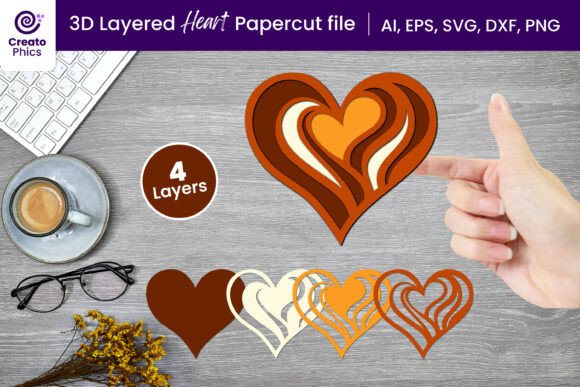
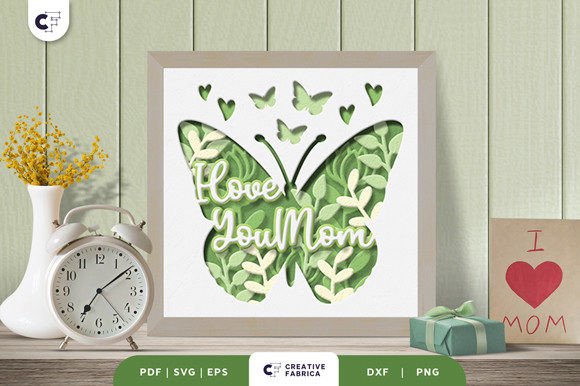
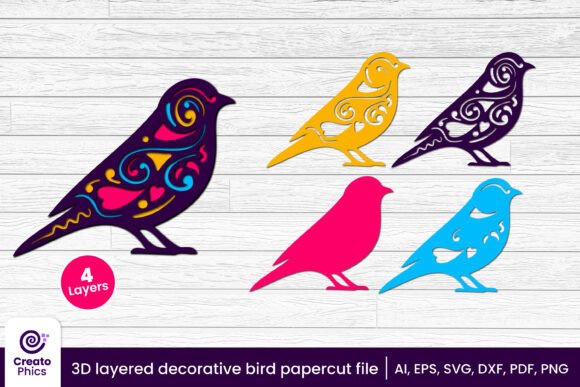
For product sellers and handmade artisans, this SVG template is incredibly versatile. It can be adapted into hang tags, thank-you cards, or even stickers that accompany every purchase. In the world of packaging design, these 3D paper elements can serve as accents on boxes or inserts, adding depth and texture that flat prints cannot achieve. If you are a social media manager, incorporating this design into your promotional ads or website banners can significantly boost engagement during seasonal campaigns. The asset provides a cohesive thread that ties together your physical products and digital presence, ensuring a more consistent small business branding effort.
Elevating Product Presentation and Customer Trust
A polished visual presentation is often the difference between a casual browse and a confident purchase. By utilizing high-quality design assets like the one found in Making a 3D Paper Haunted House, local businesses can achieve stronger first impressions and better product recognition. When a customer sees a beautifully designed package that features thoughtful, thematic details, it signals that the business cares about quality and attention to detail. This perception directly translates to improved customer trust and perceived value.
Furthermore, this asset helps in creating more professional packaging and superior shelf appeal. In a crowded marketplace, a well-executed product label or promotional flyer that utilizes unique illustrations can cut through the noise. The 3D aspect of the haunted house design adds a layer of sophistication that elevates the entire brand presentation. It moves the business away from looking like a hobbyist operation and toward a professional entity that understands the power of visual hierarchy. Whether used for a food label, home decor shop signage, or a seasonal product campaign, the asset contributes to a more polished marketing strategy.
Strategic Placement: Where It Shines
To get the most out of this resource, I recommend focusing on areas where decoration enhances rather than distracts. The asset works exceptionally well on product labels for seasonal items, packaging accents for gift sets, and decorative brand elements on social media graphics. It is perfect for creating printable inserts that slide into orders, adding a personal touch to the unboxing experience. Additionally, it serves as an excellent hero graphic for website banners or promotional banners that announce new collections.
For boutique owners and marketers, using this design in seasonal packaging or as part of a holiday campaign can create a strong emotional connection with your audience. The playful nature of the haunted house theme invites interaction and sharing, making it ideal for social media campaign graphics where user-generated content is valuable. It transforms standard marketing visuals into engaging stories that customers want to be part of.
Where to Exercise Caution in Design
However, as an experienced designer, I must advise that this asset requires careful application. It should generally be avoided in formal corporate branding, very small labels where detail may be lost, or layouts that are already crowded with information. If your product packaging is heavy with legal text, ingredient lists, or nutritional facts, adding a complex illustration like Making a 3D Paper Haunted House might clutter the design and obscure critical data. Similarly, for luxury minimalist brands or designs where the decoration competes with important text, this asset might be too bold or distracting.
It is also crucial to avoid placing this graphic on low-contrast backgrounds where the details become indistinguishable. The goal is to enhance the message, not compete with it. Always ensure that the illustration complements the typography and color palette rather than overwhelming them.
Practical Designer Notes for Implementation
Before integrating this asset into any client work or business branding, there are several technical steps to take. First, test it on real product mockups to see how it looks at actual scale. Check how it performs in black and white usage, as many printers require monochrome files. Preview it on small labels to ensure the fine lines remain crisp. Test it with your specific brand colors to verify harmony and contrast.
Compare it with competitor packaging to ensure your design remains distinct. Inspect the print quality and review the PNG transparency if you are using raster versions. Since this is an SVG design, inspect the vector editability to ensure you can adjust paths without losing resolution. Test it beside different font styles—serif, sans serif, script, handwritten, and display—to find the perfect typographic pairing. Finally, confirm your commercial license before using it for physical product sales or client projects. While this class is listed under Freebies and Classes, always verify the terms of use for commercial applications.
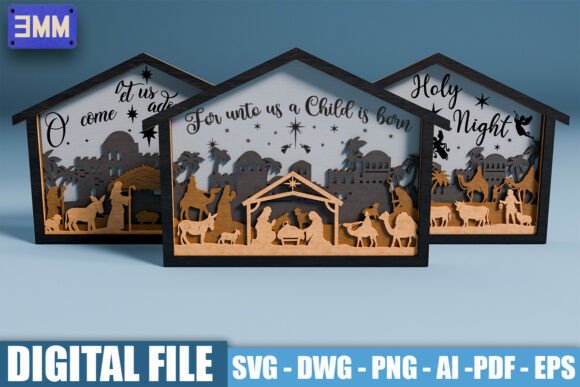
In this class, you will learn from Kelsey how to build a 3D paper haunted house using an SVG template from Creative Fabrica. You can find the link down below to download the template and follow along as inspiration for your own branding experiments. By approaching Making a 3D Paper Haunted House with a strategic mindset, you can leverage this digital product to create compelling marketing visuals, editorial designs, and web designs that resonate with your local community. Whether you are a food business, a candle brand, or a creative entrepreneur, this asset offers a unique opportunity to elevate your professional branding with a touch of seasonal magic.