Star Flower: A Designer's Review for Real Embroidery Projects
When I first opened the files for Star Flower, my initial reaction was a mix of curiosity and caution. As someone who has spent years turning digital designs into tangible, stitched realities for clients and craft fairs alike, I know that not every pretty illustration translates well to thread. This piece falls under the category of Illustrations and Graphics, but in the world of machine embroidery, visual appeal is only half the battle. The true test lies in how it performs on fabric, how it holds up after washing, and whether it adds value to a handmade product or feels like an afterthought.
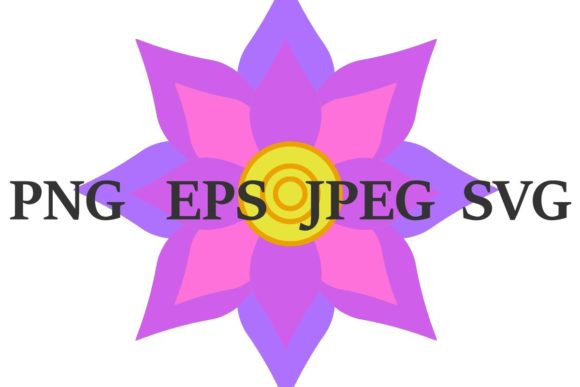
The mood of Star Flower is undeniably fresh and spring-like. It carries a lightness that suggests new beginnings, making it a natural fit for seasonal collections. The shape feels organic yet structured, avoiding the overly complex details that often cause stitching nightmares. For a designer looking to create a custom embroidered tote bag or a soft baby onesie, this design offers a clean canvas that promises a professional finish without demanding hours of digitizing adjustments. It feels less like a generic clipart and more like a curated asset ready for commercial use.
From Digital File to Finished Product: A Real-World Scenario
Let me take you through a specific scenario where I recently considered using Star Flower. I was preparing a limited run of boutique products for a local holiday market. My goal was to create personalized gifts that felt special but could be produced efficiently. I imagined placing this design on high-quality kitchen towels and linen aprons for a "Spring Cleaning" collection. The challenge was always balance: ensuring the design looked crisp on textured fabrics while maintaining enough detail to justify a higher price point.
Upon reviewing the file types included—one SVG, one PNG, one JPEG, and one EPS—I immediately saw the versatility. The ability to have both vector and raster formats meant I could scale the design for different applications. Whether I needed a small 4-inch motif for a baby bib or a larger graphic for a sweatshirt back, the resolution held promise. However, knowing that the lowest size is at least 4 inches is a crucial detail. In my experience, pushing designs smaller than that often results in lost definition, especially when using satin stitches. For a project like an embroidered patch or a cap front panel, I would need to verify if the design can be reduced further without becoming muddy.
I ran a quick mockup of Star Flower on a dark navy tote bag. The contrast was striking, but it also highlighted the importance of thread selection. On dark fabrics, the fill stitches need to be dense enough to cover the background completely. If the stitch density is too low, the fabric texture will show through, ruining the clean look of the flowers. Conversely, on a white tea towel, the design would pop with minimal thread usage, making it a cost-effective choice for high-volume production. This duality makes it a strong candidate for diverse product lines, from nursery decor to wedding favors.
Performance Across Different Fabrics and Garments
Not all embroidery projects are created equal, and Star Flower behaves differently depending on what it is stitched onto. When applied to stable fabrics like denim or heavy cotton twill, the design shines. The structure of the flower holds its shape well against the rigidity of the material. This makes it an excellent choice for custom apparel, particularly sweatshirts and hoodies where durability is key. Customers buying these items expect them to last, and a design that doesn't pucker or distort after a few washes builds immediate trust.
However, there are areas where caution is required. Stretchy fabrics, such as jersey knits used for t-shirts or baby clothes, present a unique challenge. While the design is beautiful, the tension required to stabilize a stretchy fabric can sometimes pull the stitches, causing the petals to warp. To mitigate this, I would recommend using a cut-away stabilizer rather than a tear-away to ensure the design remains flat over time. Additionally, testing on scrap fabric is non-negotiable. You must check the thread color contrast carefully; if the thread is too similar to the fabric, the intricate details of the star flower might disappear entirely.
For curved surfaces like caps or hats, the layout of Star Flower needs careful consideration. Flat designs often struggle on the curvature of a hat brim unless they are specifically digitized for that purpose. If the file provided is a standard flat design, it might look distorted when hooped on a curved surface. Similarly, small hoop sizes can be tricky. If you attempt to stitch this on a very small area, the fine details might get lost in the thread mass. It is best suited for medium to large hoop applications where the full personality of the illustration can breathe.
Strategic Considerations for Craft Businesses
For Etsy sellers and small shop owners, the visual appeal of a finished product is directly tied to sales. A design like Star Flower elevates the perceived value of a handmade item. When a customer sees a crisp, well-executed embroidery job, they associate that quality with the brand itself. This design has the potential to become a signature element for a boutique selling personalized gifts or home goods. Its spring theme allows for year-round relevance if paired with appropriate colors, moving beyond just a seasonal novelty into a staple of a brand's aesthetic.
Yet, we must remain realistic about the limitations. Dense stitch areas require longer machine times, which impacts your hourly rate and production capacity. If you are running a high-volume business, you need to calculate whether the extra time spent on detailed fill stitches aligns with your pricing model. Furthermore, decorative accents that rely on thin lines may fray over time if the fabric is subjected to frequent washing. For items like kitchen towels or work aprons, durability should trump delicate detailing. In those cases, simplifying the design or choosing a bolder stitch pattern might be a smarter long-term strategy.
Before committing to a full production run, I strongly advise checking the licensing terms. Many designers purchase assets thinking they can sell unlimited finished products, only to find restrictions on commercial use. Confirming whether you can sell the physical items made with Star Flower is essential for protecting your small business. Also, inspect the small details in the original file. Sometimes, what looks perfect on a screen can appear blocky when scaled down. Testing the design in black and white mockups can help you visualize how the stitch density will translate to actual thread.
Final Thoughts on Design Assets
Star Flower represents a solid addition to any library of digital embroidery files. It strikes a balance between artistic flair and practical application, making it suitable for a wide range of projects from baby embroidery to commercial branding. While it requires thoughtful preparation regarding fabric choice and stabilization, the end result is a finished product that commands attention and respect. For the creative entrepreneur looking to expand their catalog with high-quality, versatile designs, this is a promising option. Just remember, the success of the final product relies as much on your execution as it does on the design itself. Test thoroughly, choose your materials wisely, and let the craftsmanship speak for itself.